Finding and Fitting Mazda RX-3 Parts: A Practical Guide
The Challenge of Keeping an RX-3 on the Road
Owning a Mazda RX-3 is a bit like being in a long-term relationship with a car that refuses to stay in the background. These early rotary-powered sedans have a cult following for a reason. They offer a driving experience that is raw, direct, and completely unlike anything else from the 1970s. But keeping one running, especially in 2024, takes more than just enthusiasm. It takes a steady supply of the right components, and that is where the hunt for Mazda RX-3 parts becomes a very real part of ownership.
The RX-3 shared a lot of DNA with its stablemates, but it also had plenty of its own quirks. That means you cannot always walk into a general parts store and ask for a brake caliper or a timing cover. Instead, you learn to rely on specialist suppliers who understand the breed. In Australia, places like Just Rotaries in Melbourne have built a reputation around exactly this kind of work. They deal almost exclusively in dismantled rotary-powered Mazdas, pulling usable parts from cars that have gone beyond repair and making them available to keepers and restorers.
What Makes the RX-3 Different
To understand what you are looking for, it helps to know what sits under the bonnet. The Mazda RX-3 originally came with a 12A engine, a twin-rotor design that was shared with the early RX-4 and some variants of the RX-2. That engine is compact and rev-happy, but it has its own set of known issues. The rotor housings wear over time, the apex seals can fail if the car has been overheated, and the side seals are prone to chipping if the engine has been run hard on dirty oil.
When you search for Mazda RX-3 parts, you are often looking for 12A-specific components. The intake manifold is different from later models, the carburettor setup on the early cars is unique, and even the spark plug specifications can vary depending on whether you have a standard or high-performance variant. That is where a dedicated wrecker becomes invaluable. They have pulled apart enough of these cars to know which parts interchange and which do not.
The Engine: 12A vs 13B Options
One of the most common questions among RX-3 owners is whether you can fit a 13B engine into the car. The short answer is yes, but it is not a straight swap. The 13B has a longer block, which can cause clearance issues with the radiator and the front crossmember. It also has a different exhaust port timing and a different bolt pattern for the intake manifold. If you are chasing more power, a reconditioned engine built from a 13B is a viable path, but you will need to source the correct adapter plates, a custom driveshaft, and potentially a different gearbox to handle the extra torque.
For most owners, sticking with a well-sorted 12A is the smarter move. A rebuilt 12A with a good set of rotor housings, fresh apex seals, and properly fitted side seals will give you all the character you want without the conversion headaches. The real trick is finding a core that has not been damaged by a loss of oil pressure or a failed spark plug. That is why buying from a dismantler who inspects every component before it goes on the shelf is worth paying a little extra for.
Beyond the Engine: The Bits That Break
The engine gets most of the attention, but the rest of the Mazda RX-3 has plenty of failure points too. The gearbox is a robust unit for its era, but the synchros can wear out if the car has been raced or abused. The differential is shared with some other Mazda models of the period, so sourcing a replacement is usually easier than finding a gearbox. The driveshaft is another item that is specific to the RX-3, and it can be hard to find in good condition because the universal joints wear out and the splines can strip if the retaining bolts were ever overtightened.
Then there are the smaller items that can stop a car dead. The intake manifold gaskets are prone to drying out and leaking. The carburettor on the early models is a complex piece of engineering that can develop vacuum leaks if the diaphragms split. Even something as simple as a spark plug lead can be hard to find in the correct length and angle for the RX-3's engine bay. This is where an inventory of used parts from a specialist wrecker really pays off. They have the exact leads, the correct manifold bolts, and the right seals pulled from genuine Mazda RX-3 cars, not generic replacements.
Sourcing Used Parts vs New Old Stock
There are two main ways to keep an RX-3 alive. The first is to buy new old stock, which means parts that were manufactured decades ago and never fitted. The second is to buy quality used parts from a dismantled car. New old stock has the advantage of being unused, but it also suffers from age. Rubber seals dry out, gaskets harden, and metal components can develop surface corrosion if they were not stored properly. Used parts, on the other hand, have already proven themselves. If a rotor housing has been pulled from a running car that was written off in a collision, that housing is likely still serviceable.
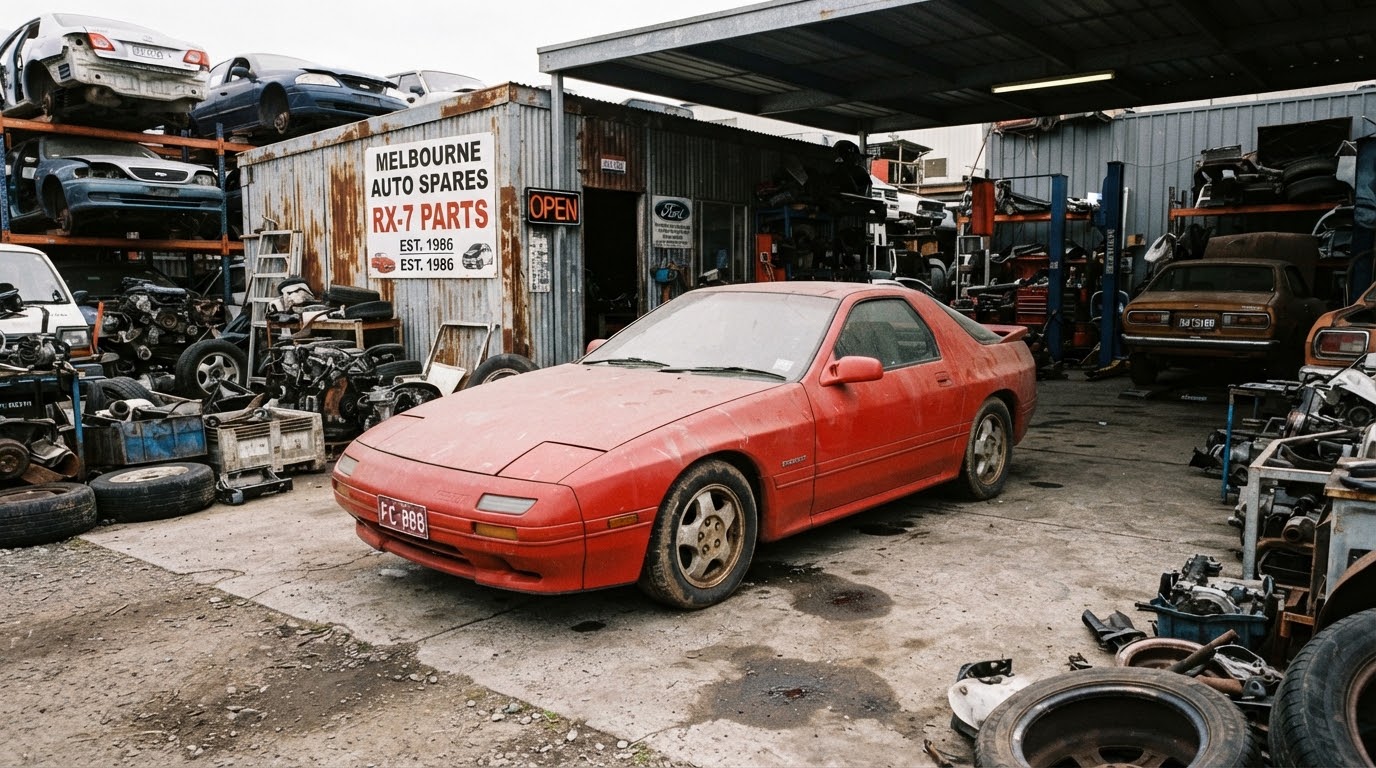
The key is to buy from someone who knows what to look for. A specialist like Just Rotaries in Melbourne will not sell you a rotor housing that is out of spec or a set of apex seals that have visible wear. They will measure, inspect, and only pass on components that are fit for purpose. That is the difference between buying Mazda RX-3 parts from a general dismantler and buying from a rotary specialist.
Practical Advice for the First-Time Buyer
If you are new to the RX-3 world, here is a short checklist that will save you time and money:
- Know your engine code. The 12A engine in an RX-3 comes in several revisions. Check the casting numbers on the rotor housings before you order any internal parts.
- Check the gearbox numbers. The RX-3 gearbox has a specific ratio and shift pattern. Do not assume a gearbox from an RX-2 or an RX-4 will bolt straight in without modifications.
- Inspect the intake manifold. The RX-3 manifold has a distinct shape that does not match the later RX-7. If you are buying a complete manifold, make sure the carburettor mounting flange is flat and not warped from overtightening.
- Ask about the driveshaft. If you are buying a complete car or a rolling chassis, check the driveshaft for play in the universal joints. Replacing them is possible, but finding the correct spline count can be a hassle.
- Buy a spare set of seals. If you find a good deal on a set of apex seals and side seals, grab them. They do not take up much space, and having them on hand means you can rebuild your engine without waiting for a parts shipment.
Why Location Matters
Being based in Melbourne, Just Rotaries has access to a steady stream of rotary wrecks from across Australia. The local climate is relatively kind to sheet metal, so body panels and structural parts from Australian-delivered cars are often in better shape than imports from colder or saltier regions. That is a real advantage if you need a rust-free door or a clean bonnet for your RX-3. It also means the used parts they supply have not been through the kind of corrosion cycle that destroys components in coastal or snowy areas.
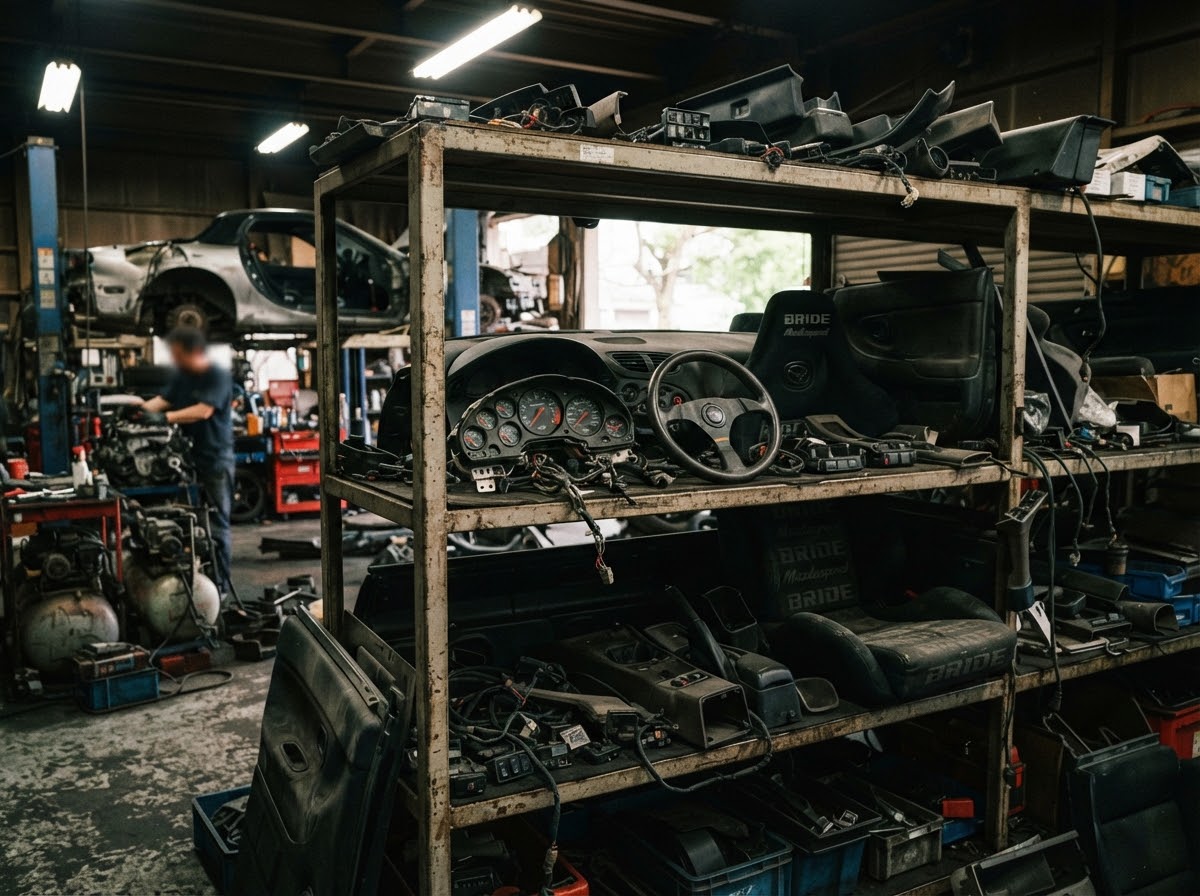
When you are dealing with a forty-year-old car, every component is a candidate for replacement. The wiring harnesses can become brittle, the rubber hoses can crack, and even the metal fuel lines can develop pinhole leaks if they were not coated properly at the factory. A specialist wrecker will have pulled enough of these cars to know which parts are worth saving and which should go straight to scrap. That judgment is what you are paying for when you buy from a dedicated rotary dismantler.
The Bottom Line
Keeping a Mazda RX-3 on the road is a labour of love, but it does not have to be an impossible task. The key is knowing where to look for the right components and understanding that not all Mazda RX-3 parts are created equal. Whether you are rebuilding a tired 12A engine, swapping in a 13B for more power, or just chasing a clean intake manifold for a restoration, the difference between a frustrating parts hunt and a straightforward transaction comes down to the source. Specialist rotary wreckers like Just Rotaries have the experience, the inventory, and the willingness to help you keep your car exactly where it belongs: on the road.